


How to Stay Employable in the Knowmad Era: A Conversation with Raquel Roca
In a market where jobs evolve faster than organizations themselves, employability is no longer defined by what you know, but by your ability to reinvent yourself before change catches up with you.
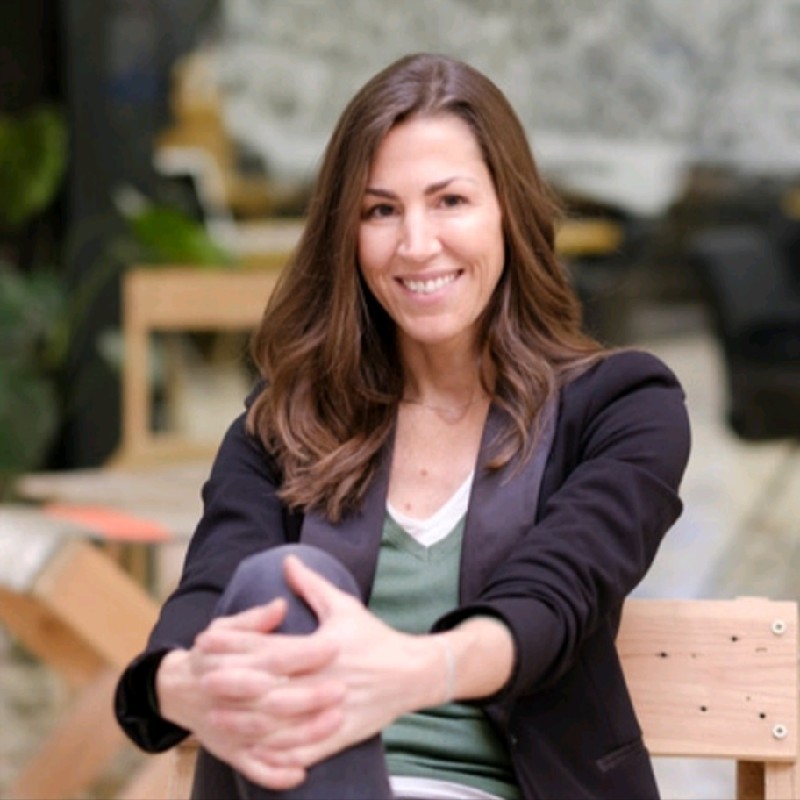
Raquel Roca is a consultant, speaker, and author specializing in leadership and the future of work, and one of the most recognized voices in employability and professional adaptation. Author of Knowmads, Silver Surfers, and The Power of Charisma, and founder of Silver Academy, in this interview she reflects on what it really means to be employable today and what signs make a difference in an increasingly changing and technological market.
Knowmad mindset: prepare or fall behind
Hello Raquel, thank you for joining us in this new edition of Talent-R Tech Talks and for sharing your vision with our community. Today, many professionals are asking themselves: “Will I still be employable in five years?” From your experience, what signs indicate that someone is preparing well… and which ones show that they may be falling behind?
“People who are preparing well don’t just talk about what they know how to do, but how they learn, how they adapt, and how they add value in changing contexts. They are actively curious, review their own professional beliefs, and don’t wait for the company to “tell them” what comes next.
On the other hand, a clear sign of risk is continuing to rely solely on your position, past experience, or “this is how it’s always been done.” When learning is seen as a one-time obligation—rather than a permanent attitude—the market moves faster than you do.”
“If your job ceased to exist tomorrow, what part of you would remain valuable and transferable to the world to come?”
When you talked about the Knowmad profile, it seemed like a vision of the future. Today it is a reality. What behaviours or attitudes continue to make the difference between those who advance and those who stagnate professionally?
“The difference is not marked by isolated talent, but by mindset. Those who advance are those who combine autonomy with collaboration, critical thinking with openness, and purpose with action. People who are able to move between disciplines, translate complex ideas, and provide context, not just execution.
Those who stagnate tend to wait for certainties before moving, need constant instructions, or confuse specialization with rigidity. In a fluid environment, intellectual flexibility is a competitive advantage.”
Human skills and adaptability: the new competitive advantage
AI not only changes tasks, it also generates fear, anxiety, or rejection. What mistakes do you see most often in the way people are reacting to these changes?
“The most common mistake is to view AI solely as a technical threat rather than a cultural and human change. It is either idealized (“AI will do everything”) or demonized (“it will replace us”). Both positions are paralyzing.
I also see a lot of defensive reactions: learning tools without strategic sense or, conversely, refusing to understand them. In The Power of Charisma, I talk about precisely this: in a context of automation, intangible skills become differentiators. Presence, communication, judgment, empathy, ethics, influence, and the ability to connect not only do not disappear but are revalued. The real challenge is not to compete with AI, but to develop what technology cannot replicate.“
For years, we were taught to seek security. Today, it seems that true security lies in adaptability. What professional habits do you think no longer work in today’s market, even though they are still very much the norm?
“Closed hyper-specialization, uncritical obedience, and the idea of stability based on “staying in the same place for many years.” Also, presenteeism, the accumulation of tasks without reflection, and measuring value only by hours or titles.
Today, security does not lie in repetition, but in meaningful reinvention. And that means unlearning habits that were rewarded for decades.“
What the market really values today
From your perspective, what signs does a company look for today when meeting a professional (beyond their CV) to determine whether they will add value in the long term?
“Companies look at how a person thinks, how they communicate, how they handle uncertainty, and how they learn when they don’t know something. They look at their consistency, their energy, their ability to influence without imposing, and their ability to collaborate with different types of people.
The CV opens the door, but what really matters is presence, attitude, and the ability to generate trust and real impact.”
If you had to summarize in 2–3 clear signs that a professional is “employable today,” what would they be?
“Learn continuously and independently, not reactively.
Contribute judgment and vision, not just execution.
Communicate clearly, connect with others, and build trust in changing environments.”
The question that changes everything
Finally, if you could leave readers of this interview with just one question to reflect on their professional future, what would it be?
“If your job ceased to exist tomorrow, what part of you would remain valuable and transferable to the world to come?”
In a world of constant transformation, professional relevance becomes a daily decision. The future of work is uncertain; the decision to evolve is not.
